What Top Perfusionists Actually Want in a Perfusion Program (And Why Many Hospitals Miss It)
By Benjamin Greenfield (Recruitment Director) and Chris Odom (VP of Business Development)
Recruiting experienced perfusionists has become increasingly difficult, but the challenge is rarely about finding people who are unwilling to relocate or change jobs. More often, it comes down to whether a perfusion program offers the kind of environment clinicians want to build a long-term career in.
Over the last two decades, priorities have shifted. Competitive compensation still matters, but it is no longer the deciding factor for many perfusionists. Today, they are evaluating how a program supports work-life balance, handles staffing challenges, distributes call responsibilities, and creates a sustainable work environment. Hospitals that continue designing programs around case volume alone often struggle to recruit and retain experienced clinicians because they overlook the factors that shape everyday professional life.
Understanding what perfusionists actually value gives healthcare leaders an opportunity to strengthen recruitment, improve retention, and build a perfusion program that supports long-term clinical excellence.
Career Priorities Change Over Time
A new graduate entering the profession often has different goals than a perfusionist with twenty or thirty years of experience.
Early in a career, many clinicians seek broad case exposure, complex procedures, and opportunities to accelerate their professional development. As careers progress, priorities often evolve toward stability, predictable scheduling, and having enough time to enjoy life outside the operating room.
That shift reflects a simple reality. Time becomes increasingly valuable. Healthcare professionals understand the demands that come with call schedules, overnight emergencies, missed holidays, and interrupted family events. Those responsibilities are accepted as part of the profession, but chronic imbalance eventually takes its toll.
Hospitals that recognize these changing priorities create programs capable of attracting clinicians across every stage of their careers rather than appealing to only one segment of the workforce.
Burnout Begins with Staffing, Not Motivation
Burnout remains one of the biggest challenges facing perfusion today, and chronic understaffing is often its primary cause.
When too few perfusionists are expected to support routine cardiac cases, ECMO, transplant responsibilities, emergency coverage, and increasing procedural complexity, workloads become challenging. The issue is rarely a lack of dedication. It is the accumulation of long hours, constant call, and limited opportunities to disconnect.
Adding staff changes the equation in meaningful ways.
An additional team member may reduce call frequency, improve vacation coverage, create flexibility for emergencies, and allow clinicians to maintain healthier schedules. While salary increases over time are an important factor, many perfusionists recognize that additional permanent or PRN staffing often delivers a greater improvement to quality of life than a modest increase in annual compensation.
That perspective has become increasingly common throughout the profession.
The Details of a Perfusion Program Matter
Two hospitals may report similar annual case volumes yet offer dramatically different day-to-day experiences.
Experienced perfusionists evaluate factors that are often invisible in a job description, including:
- Call rotation fairness
- Vacation and leave coverage
- Team culture and collaboration
- Surgeon efficiency and consistency
- Case complexity and procedural variety
- ECMO expectations
- Continuing education support
- Licensure and certification reimbursement
- Retirement and insurance benefits
Operational consistency also plays an important role.
Programs where surgeons have standardized equipment preferences and clinical workflows often create smoother operating room environments than programs where every physician follows completely different processes. Likewise, thoughtful scheduling policies and equitable holiday coverage contribute significantly to clinician satisfaction.
These operational details shape how a perfusion program feels to work in every day, even when compensation appears similar on paper.
Hospitals Often Underestimate What Drives Retention
Many organizations assume that raising salaries will solve staffing challenges.
Compensation certainly influences recruitment, but it rarely addresses the reasons experienced perfusionists leave.
More commonly, turnover is driven by:
- Excessive call responsibilities
- Chronic understaffing
- Limited vacation coverage
- Poor communication and leadership
- Feeling excluded from operational planning
- Lack of professional partnership
The strongest cardiovascular programs recognize perfusion as essential clinical infrastructure rather than a variable labor expense.
Instead of asking how many perfusionists are needed for a certain number of annual pump cases, successful organizations ask different questions.
Can we reliably support emergency cases?
Do we have enough coverage for ECMO and transplant activity?
Can clinicians take vacation without increasing burnout for everyone else?
Can we maintain reliable surgical schedules without creating unnecessary strain on the team?
Those questions produce staffing models that support both clinicians and cardiovascular service line performance.
Designing a Perfusion Program That People Want to Join
Building an attractive perfusion program requires looking beyond annual case volume and considering the day-to-day experience of the clinicians who keep the program running. The organizations that consistently recruit and retain experienced perfusionists tend to have several characteristics in common.
They often:
- Build staffing models around clinical coverage rather than average annual case volume.
- Separate routine operating room staffing from ECMO responsibilities when patient volume justifies dedicated resources.
- Treat relief coverage as essential infrastructure that protects clinicians during vacations, parental leave, illness, and unexpected staffing gaps.
- Create opportunities for professional growth through continuing education, expanded responsibilities, and meaningful career pathways.
- Include perfusion leadership in broader cardiovascular service line planning so staffing decisions align with long-term clinical goals.
These strategies strengthen recruitment because they address the realities of the profession. They also improve retention by creating an environment where perfusionists can build sustainable careers while supporting high-quality patient care.
How Epic Cardiovascular Services Helps Hospitals Build Stronger Perfusion Programs
Epic Cardiovascular Services approaches workforce planning from both sides of the hiring equation.
Because our team works closely with perfusionists across the country, we understand what clinicians are looking for at every stage of their careers. We also partner with hospitals to translate those workforce expectations into practical staffing strategies that support long-term program success.
Rather than reacting to vacancies after they occur, we help organizations develop scalable staffing models that account for clinical growth, emergency coverage, vacation planning, and evolving service line demands.
Our nationwide network of permanent clinicians and one of the industry’s largest traveling perfusion and ECMO workforces provides additional flexibility when unexpected absences, leave, or temporary coverage needs arise. That support helps reduce perfusionist burnout while maintaining continuity of care.
We also work collaboratively with hospital leaders to evaluate operational realities such as call structure, case complexity, staffing ratios, and recruitment challenges. Together, we identify practical solutions that strengthen both clinician satisfaction and program performance.
The result is a staffing strategy that supports reliable cardiovascular care while creating a workplace where perfusionists can build lasting careers.
Building Perfusion Programs That Retain Talent
The most successful perfusion programs are designed with both clinical excellence and workforce sustainability in mind.
Experienced perfusionists are looking for environments where they can provide exceptional patient care while maintaining healthy, rewarding careers. Hospitals that invest in thoughtful staffing, fair scheduling, operational support, and collaborative leadership are better positioned to attract the talent they need for long-term success.
As competition for experienced perfusionists continues to grow, organizations that understand these priorities will have a meaningful advantage, not only in recruitment, but in building stronger cardiovascular programs for years to come.
Building a sustainable perfusion program starts with understanding what today’s perfusionists value. If you’re looking to improve recruitment, retention, or long-term program performance, connect with Epic Cardiovascular Services to explore staffing strategies built around your clinical and operational goals.
About Ben
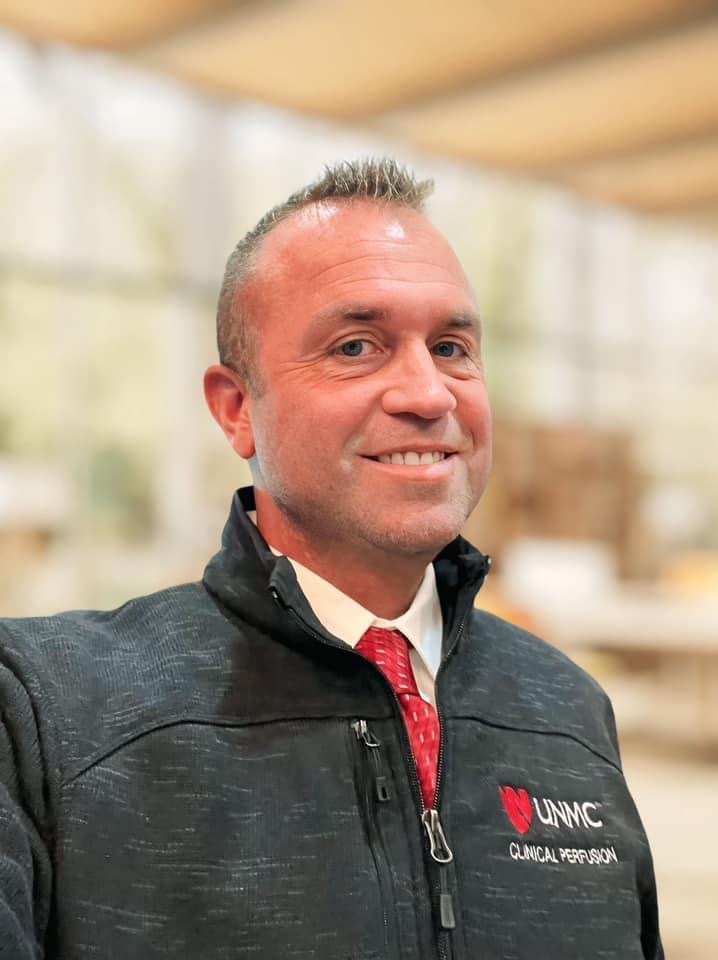
Benjamin Greenfield, MPS, CCP, LP, is a perfusionist, educator, and the Recruitment Director at Epic Cardiovascular Services. He has been teaching since the early 2000s and is currently an associate professor at the University of Nebraska Medical Center’s perfusion program, where he continues to mentor students and help advance the perfusion profession. Drawing on decades of clinical, academic, and leadership experience, Ben is passionate about supporting perfusionists throughout their careers and helping shape the future of the profession. Ben has been married to his wife, Tarah, for 23 years, and they have two beautiful kids. Ben is an avid outdoorsman and plays/sings in a band, aptly called Synkope.
About Chris

With over 20+ years of experience in commercial leadership, business strategy, and partnerships in the Medical Field, Chris is a results-driven leader passionate about driving growth and fostering strategic relationships. As VP of Business Development, Chris oversees the company’s business expansion initiatives, identifies new market opportunities, and forges key alliances that align with the organization’s long-term vision.
Known for his collaborative approach and innovative thinking, Chris is committed to leading teams that create value and generate impactful results. In his free time, he enjoys mentoring young professionals and contributing to the next generation of leaders in business development through publications, teaching opportunities, and conferences.